XMZX3333@163.com
+86 0597 - 3202298


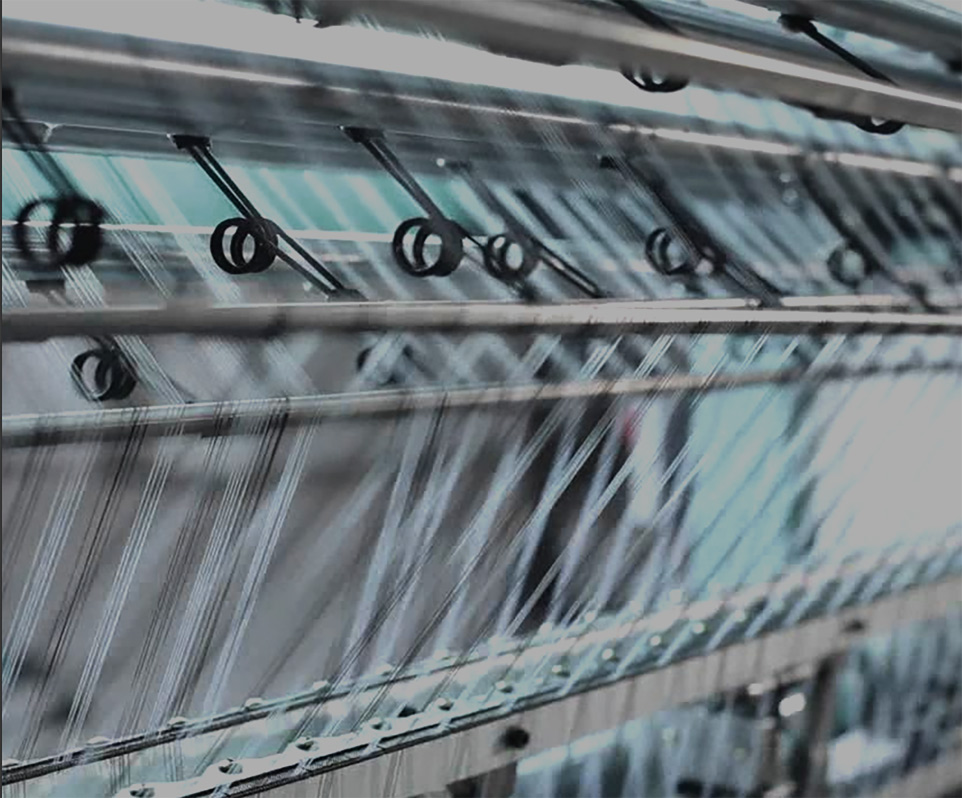
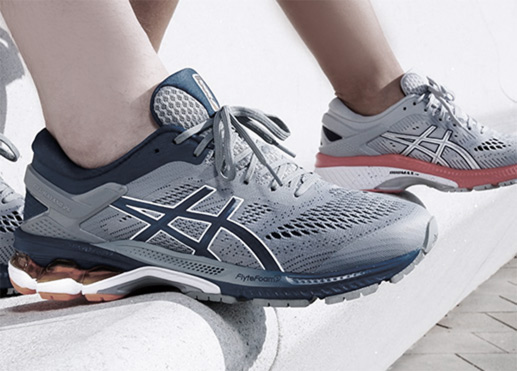
Xielong Group is a professional supplier of material spinning, weaving and dyeing of shoe materials. Founded in 1992, it is headquartered in Jinjiang City, Fujian Province, which is known as the shoe capital of China. We have Shishi, Jinjiang, Zhangping production bases and offices in Guangdong, more than 300,000 square meters of factory area and a team of more than 700 employees. Through years of hard work and development, the Xielong team has become the most competitive and innovative designated supplier in the domestic sports shoe material industry. Partners include New Balance, Puma, Asics, Anta, Jordan, Li Ning, Xtep, etc. Well-known sports brand outside.
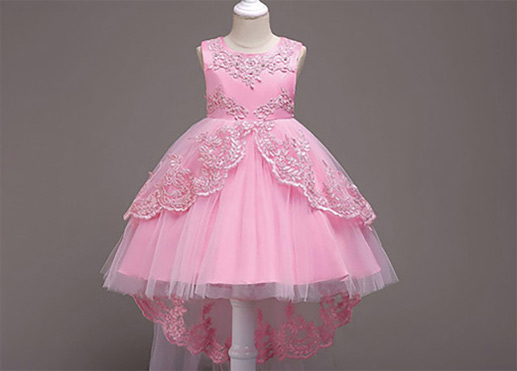
During the period of rapid economic development in China, Xielong Group also continued to break through itself, insisted on R&D and innovated products, continued to increase the types of products it operated, and realized one-stop service of shoe materials for customers. The business varieties include shoe material linings and warp knitted mesh fabrics. , Jacquard jacquard, circular knitting materials and 3D flying woven shoe uppers. In addition, we established a high-tech chemical fiber company with an annual output of 8000 tons of nylon thermal fuse and special yarn. Leading products include: (1). Nylon thermal fuse, we are the largest manufacturer in domestic production and sales, and the cost performance is among the best. (2). The series of products such as TPU special yarn (two-component compound) developed to fill the domestic gap. (3) The introduction of hot-melt mesh film has added a new force to the hot-melt series of products. The introduction of new materials will provide environmentally friendly and safe products with superior performance and better performance for the development of shoe materials, clothing, luggage, furniture, decoration and other industries.
Xielong has always adhered to the core service tenet of 3S: "Save time, save costs, save losses", advocate co-creation and win-win industrial value, and strive to provide more complete solutions for the overall industrial chain.
Xielong Group


















The role of nylon thermal fuse in the field of textile bonding lies between sewing thread and glue. It is an ordinary yarn at room temperature and can be woven normally; once the temperature reaches the set threshold, the fuse softens and melts, penetrating the gaps between the surrounding fibers, and after cooling, it locks the nodes. This mechanism sounds simple, but the quality of the bonding depends on several easily overlooked matching issues.The bonding principle of nylon hot melt fuseis that when the fuse reaches the corresponding melting temperature, the surface softens and flows, moistening the surface of the substrate fibers, and when the temperature drops, the melted part re-solidifies and locks with the substrate fibers, forming a stable bonding node. Unlike ordinary adhesives, it belongs to physical melting bonding and is less likely to have the problems of adhesive layer peeling or excessive melt leakage contaminating the fabric.The matching of melting point with the substrate is the starting point. The melting points of nylon hot melt fuses on the market are relatively wide, with common specifications roughly covering 85°C to above 140°C. The low-temperature type is suitable for clothing bonding and lace edge locking in scenarios that are afraid of heat deformation; the high-temperature type is used for automotive interiors, outdoor products, etc., which need to withstand subsequent processing or use environmental temperatures. If the melting point is lower than the subsequent processing or use temperature, the bonding layer may re-soften and fail; if the melting point is too high, the substrate may be damaged before the hot thermal fuse. Laboratory research reports that by modifying polyetheramine, the melting point of copolyamide resin can be reduced from about 120°C to around 82°C, and it can maintain a bonding strength of 12 MPa under specific test conditions (specific values vary with the formula and test method), indicating that there is no inevitable contradiction between low melting point and bonding strength; the common low-melting-point specifications on the market are mostly above 85°C.In actual production, the advantages of nylon thermal fuse in bonding are reflected in multiple aspects. The bonded products maintain a soft hand feel and do not form obvious hard glue blocks, which is suitable for products with requirements for touch sensation such as clothing accessories, automotive interiors, and non-woven fabric composites. The bonding points have good water-wash resistance and can maintain a certain bonding strength after several washes under normal water washing conditions (the specific number of washes and strength retention rate vary with the specification and substrate); it can meet the washing requirements of most conventional textiles. At the same time, the processing operation is convenient, and it is compatible with various thermal processing equipment such as hot pressing and ultrasonic waves, making it easy for enterprises to adjust production processes.When selecting and using, different melting point specifications of nylon hot melt fuses can be chosen according to product needs. The low-melting-point type is suitable for substrates that are not resistant to high temperatures, reducing damage to the substrate during high-temperature processing; the high-melting-point product has better heat stability of the finished product and is suitable for processing environments or use temperatures that are higher than the subsequent processing temperature. Before production, it is recommended to conduct a small sample hot pressing test to confirm the temperature, pressure, time, and cooling setting parameters, verify the bonding strength, and pay attention to avoiding under-melting or over-melting to avoid quality fluctuations in batch production.Overall, nylon hot melt fuse plays an important role in the solvent-free hot melt composite process due to its controllable bonding characteristics. By reasonably controlling process parameters and matching the corresponding substrates, its bonding advantages can be fully exerted, helping various fiber products achieve lightweight and simple composite processing.Fujian Zhangping Xielong Group High-tech Chemical Fiber Company Co., Ltd. leading products of include:nylon thermal fuse, TPU special filament, polyester thermal fuse, TPU hot melt omentum, PA hot melt omentum,.The company has always adhered to the 3s core service tenet: "saving time, cost savings, saving losses", advocates a total of industrial value, and is committed to providing a better solution for the overall industrial chain. Plan, welcome to buy the nylon thermal fuse,polyester thermal fuse!...
On October 16th, a symposium for government and enterprises in the textile and garment industry chain of Heze City was successfully held. Communist Party member and Secretary of the Publicity Department Cao Lin attended the meeting and delivered a speech. Vice Mayor Wang Xingguo presided over this symposium. This meeting established a platform for communication and exchange between the government and textile and garment enterprises, listened to the demands of enterprise development, analyzed the current situation of the industry chain, and jointly planned the high-quality development path of the textile and garment industry in Heze.During the meeting, representatives of participating textile and garment enterprises spoke successively on aspects such as production and operation, project construction, market expansion, employment guarantee, and financing needs, reporting the current development status of their enterprises and presenting the pain points and difficulties encountered in the development process. Relevant municipal departments responded to the demands raised by the enterprises one by one, and studied and coordinated solutions on the spot.The textile and garment industry in Heze City has a profound industrial foundation and is a key characteristic industry that the local government is cultivating. It has formed a certain industrial scale in the aspects of spinning, weaving, and garment processing. The meeting pointed out that we should continuously strengthen the textile and garment industry chain, based on local industrial advantages, fill in the shortcomings of the industry chain, promote digital transformation and brand development of the industry. The government departments will continue to optimize the business environment, implement preferential policies for enterprises, provide necessary support services, and proactively assist enterprises in solving difficulties and problems.Declaration: The content and template of this article are collected from the internet and are copyrighted by the original authors; if there is any infringement, please notify promptly and delete....
From October 11th to 12th, during the 15th Jiangsu (Shengze) Textile Products Expo, the 2026 Advanced Fiber Materials Innovation Conference was held in Shengze Town, Wujiang District. The conference, with the theme of "Quality Leading New Journey and Fiber Initiating the Future", focused on two major sections: industrial development and innovation application. It explored the paths for the innovation and value transformation of advanced fiber materials from dimensions such as industry trends, technological innovation, green transformation, product development, and scenario expansion.The secretary-general and president of the China Textile Industry Federation, Sun Ruizhe, stated in his speech that the fiber industry bears the important mission of ensuring supply stability, establishing high standards of innovation, and achieving wide application. He suggested building strategic strength with quality as the core, improving the innovation ecosystem with efficiency as the core, and leading consumption upgrades with value as the core. Professor Zhu Meifang from the Chinese Academy of Sciences said that the development of advanced fiber materials requires advancing towards higher performance through scientific and technological innovation, promoting sustainable development throughout the life cycle through green and low-carbon efforts, and embracing artificial intelligence to explore new paradigms in research and development and manufacturing.At the conference, 10 cross-industry cooperation agreements were reached, covering key tracks such as the transformation and application of high-performance materials, key technologies for low-carbon manufacturing, and the development of functional fiber materials. They aimed to address the difficulties in the industrialization of scientific research results and promote the transformation of technological advantages into market advantages. The exhibition area showcased terminal products such as carbon nanocomposite heating technology, multi-functional warming hand warmers, and drag-reducing cycling suits, visually presenting the transformation results of cutting-edge fiber technologies into the consumer market.Disclaimer: The content and template of this article are compiled from the internet and are copyrighted by the original authors; please notify us if there is any infringement and we will delete it in a timely manner....